

Hunting for Gold: Unearthing Opportunities in Secondary and Tertiary Markets
Ever get that sinking feeling? Like you’re constantly elbowing your way through a maddening crowd in the big leagues – those noisy, competitive major city markets? It’s that familiar frustration of watching your profits dwindle because everyone and their mother is jammed into the same few hotspots, fighting for table scraps. It’s an old story

CRE Tech Revolution: Expert Reveals Top Platforms Transforming Commercial Real Estate
Commercial Real Estate (CRE) is changing FAST – like, a whole new world of tech is exploding onto the scene. All these platforms are suddenly out here – billions of dollars are going into them promising to make everything easier, find deals you’d never see otherwise, and totally change how we do business. Sounds great, right? But for a lot of us – the investors, the brokers – it feels more like wandering around in a fog.
You’ve got LoopNet and Crexi, sure, and then a million others popping up. Realmo? Paperhouses? How do you even choose? It’s overwhelming, especially when you’re talking about serious money.
I remember a while back; I was pulling my hair out over a big mixed-use deal. I needed a platform that could give me the REAL market numbers, help me keep my team on the same page, and make the due diligence less of a root canal. Hours and hours of searching, trial after trial… I started to think the “perfect” platform was just a myth these platforms all like to claim.
That’s when I decided needed to figure this CRE tech thing out for myself. Not just read about it, but really get into the nitty-gritty. So, I’m sharing what I’ve learned – no BS, just practical advice from the front lines of this business. I’m going to walk you through the most useful CRE platforms out there, focusing on the stuff that actually matters and the ones that pay off. Think of me as your guide, helping you navigate this whole CRE tech revolution.

Designing Outdoor Spaces for Urban Living
Have you noticed how much more people in cities are craving a little bit of nature? It’s like we all collectively realized how important it is to have a spot to unwind outside, away from all the concrete. It doesn’t matter if it’s a small balcony, a tiny patio, or just a little patch of
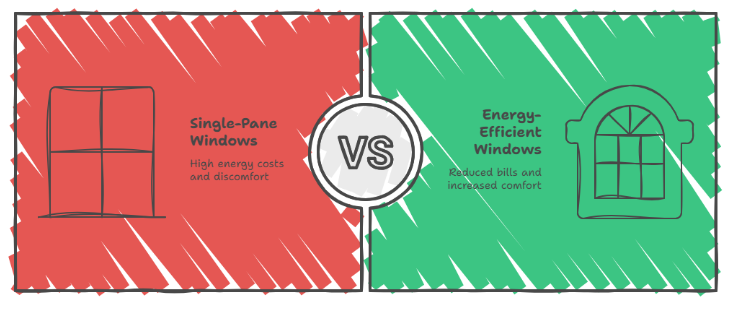
The Benefits of Energy-Efficient Windows in Your Home
Ever feel like your heating and cooling bills are needlessly high? You’re not alone! I had some clients last year who were shocked by their January heating bill. Their old, single-pane windows were the main problem; they were drafty, inefficient, and basically letting all the heat escape. Energy-efficient windows can be a real game-changer. They

The Future of Urban Architecture: Vertical Farms and Green Roofs – Growing a Better Tomorrow
Okay, so let’s be honest: cities are exploding. The whole planet is getting more and more urbanized, and it’s happening fast. We’re heading towards a future where way over half of us – over 70% by 2050, the experts are saying – will be city dwellers. That’s a mind-boggling number of people crammed into these

Historical Architecture and Property Value
Ever felt that pull? You’re walking down a street, and BAM – there it is. An old house. Not just old, but historically old. You stop. You stare. You get lost in the lines, the textures, the way the sunlight seems to dance on the details. I remember this one Victorian, oh man! It wasn’t
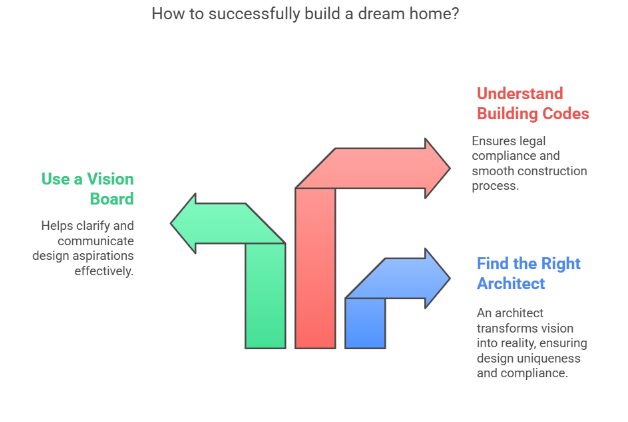
Choosing the Right Architect for Your Dream House
So, you’re thinking about building a dream home? That’s HUGE! It’s a complete rollercoaster of emotions – excitement, anticipation, and, let’s be real, a hefty dose of “OMG, what am I doing?!” I’m reminded of a client, we’ll call her Sarah (because that’s her name!), who practically vibrated with enthusiasm when she first came to

The Role of BIM (Building Information Modeling) in Modern Architecture
Okay, picture this: the architecture world is changing, a lot. And the driving force? Building Information Modeling – BIM. Forget those sci-fi movies, BIM is now. I’ve lived it – went from, “Hmm, is it worth it?” to, “Wow, this stuff is a game-changer!” Seriously, firms that fully embrace BIM often see a 30% jump

Modular homes – Affordable housing: Innovative Architectural Solutions
Let’s get real: the lack of affordable housing isn’t just a statistic; it’s impacting families right now. Think about it: in many cities, folks are handing over more than a third of their hard-earned money just for rent! Where does that leave them for healthy groceries, doctor visits, or, you know, maybe a little something